Creating a quality control plan based on non-invasive visual inspection systems makes it easier to detect defective products, but not only by discarding them from the assembly line, but what is important is that it helps to correct defects and follow producing under the ideal specifications.
Another of its great advantages are the multiple applications of artificial vision quality control systems and their adaptability to different productions and industrial environments.
Given this way of applying such efficient quality control and production inspection and based on different tasks of verification, recognition and detection of defects, it is achieved that the industry enjoys these advantages in its production processes:
Increase in productivity: With a quantitative increase in useful end products and a better use of resources and raw materials.
Reduction of losses of products and materials: Removing products with defects as soon as they are detected and leaving them out of the production chain.
Cost reduction: Making better use of resources and obtaining greater profitability from each production unit.
Improvement of the quality of the final product: What favors the reputation of the brand and the satisfaction of the clients when receiving a product that meets all their expectations.
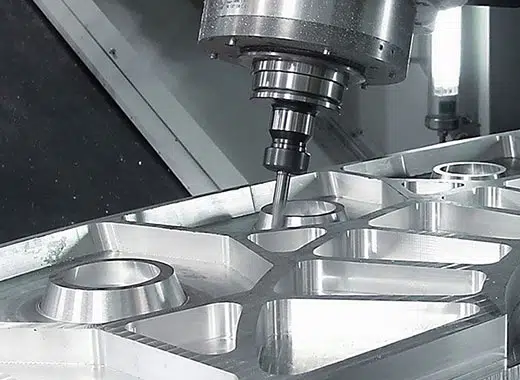
At IPQCCO we are experts in providing the knowledge and experience necessary to integrate automated quality control inspection, advising on the most optimal artificial vision systems for the creation of a more efficient quality control plan.
It is very important that each artificial vision system responds to the needs of each client and type of industrial activity, so it is best to start with a feasibility study to create the solution that contains the technology that helps to integrate inspection tools non-invasive effective and profitable.